
Digital imaging has already transformed how your practice diagnoses and decides treatment-plans, but today’s patients are asking a new question:
“How do I get the X-rays I need with the lowest radiation possible?”
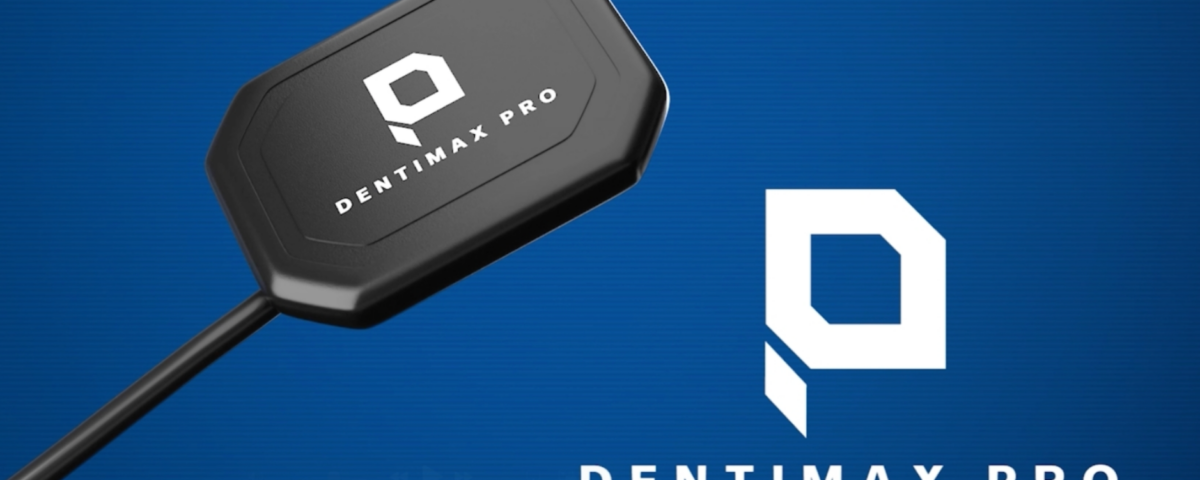
That’s exactly where the DentiMax Pro Sensor shines. It’s built to deliver crisp, diagnostic images at low exposure settings, while making your X-ray workflow faster, more comfortable, and more reliable than older technology.
In this deep dive, we’ll walk through how sensor technology affects radiation dose and what makes the Pro Sensor different. How it compares to other sensors and why it’s a natural upgrade for practices currently using DEXIS. Let’s go deeper.
Low Radiation Starts with the Right Sensor
Modern guidelines from the ADA and other radiology groups are clear:
- Justify every radiograph
- Use digital equipment whenever possible
- Minimize retakes and unnecessary exposure
Digital sensors like the Pro, Dream, and Open already require significantly less radiation than film to produce a diagnostic image, especially when combined with good positioning and rectangular collimation.
But not all sensors are equal. Dose is heavily influenced by:
- Sensitivity and noise: A low-noise sensor can produce clear images at lower exposure settings.
- Active imaging area: A larger area can capture more anatomy per shot, reducing the number of images needed.
- Comfort and positioning: The easier a sensor is to place, the fewer retakes you’ll need.
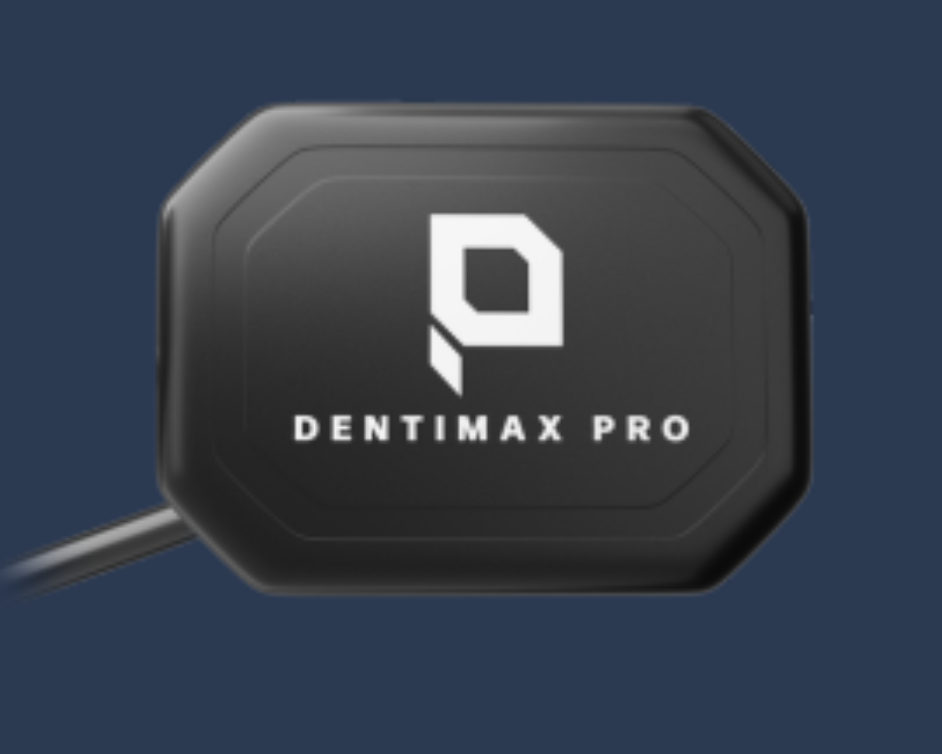
The Pro Sensor was engineered around those realities: low noise, a larger active area, and a design that helps you get the image right the first time.
Meet the Dentimax Pro Sensor: Designed for Low-Dose, High-Diagnostic Imaging
Low-Noise Design = Crisp Images at Lower Exposure
The DentiMax Pro Sensor is positioned as DentiMax’s most advanced intraoral sensor. Engineered for high-resolution images at very low exposure times, it’s made for practices that want Dexis-level image quality with better support and more flexible software compatibility.
The Pro Sensor’s low-noise design is the foundation of its low-radiation advantage. Lower electronic noise means:
- You can run lower exposure settings and still see subtle structures clearly.
- Fine details (early interproximal caries, periapical changes, endo files) stand out without having to “over-expose” just to fight graininess.
- You reduce the temptation to “bump the technique up a little” just to get a cleaner image.
Practically speaking, this lets your team follow ALARA/ALADA principles while still giving doctors the confidence to diagnose from a single, well-positioned exposure.
If you want to compare how the Pro stacks up image-wise against DentiMax Dream, Open, and other brands, the X-ray sensor comparison guide is a great reference.
Larger Active Area: More Anatomy, Fewer Exposures
One of the headline features of the Pro Sensor is its larger active imaging area.
Why that matters:
- More tooth structure per shot: A larger active area means you’re capturing more of the crown and root in a single exposure, instead of piecing together overlapping partial images.
- Fewer images needed: In many cases, you can cover the region of interest in fewer exposures, which directly reduces cumulative radiation.
- Less chance of “clipped” apices: A larger field gives you more margin for minor positioning variations, again lowering retake rates.
In short: a larger active area doesn’t just look good on a spec sheet, it supports real-world dose reduction and diagnostic confidence.
Higher-Quality Images for Easier Diagnosis
The Pro builds on the same digital imaging fundamentals highlighted in DentiMax’s broader sensor family:
- Advanced CMOS technology for high-resolution imaging
- Fast, responsive capture with instant on-screen feedback
- Digital enhancement tools (zoom, contrast, filters) within your imaging software
In practice, this means:
- Cleaner open contacts in bitewings
- Better visualization of early lesions
- Clearer periapical detail for endodontic and implant planning
High image quality isn’t just a “wow factor,” it reduces ambiguity, lowers the need for “just one more shot,” and supports evidence-based decision-making at the lowest reasonable dose.
Made for Comfort: True Cut-Corners & Smart Cord Design
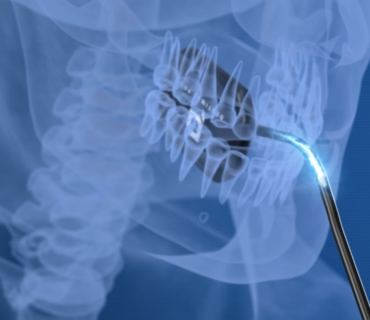
Patient comfort is a quiet but powerful part of the low-radiation story. If a sensor hurts, patients may move, gag, or push it with their tongue, requiring retakes.
The Pro Sensor addresses this with:
- True cut-corner design
- Eases placement in tight palatal vaults and shallow floor-of-mouth anatomies
- Reduces soft tissue irritation, especially with posterior periapicals and vertical bitewings
- 45° cord exit
- Ideal for vertical bitewings and hard-to-angle shots
- Keeps the cable out of the way of the occlusal plane, so patients can close gently without dislodging the sensor
- Flexible, durable cord
- Holds position better during acquisition
- Withstands daily bending and repositioning without the “stiff tug” that’s common in cheaper sensor designs
Less discomfort = less movement = fewer retakes = lower overall exposure.
Built to Last
PCB-Based Internal Design, 3-Year Warranty, Made in the USA
Durability directly impacts both ROI and radiation:
- A robust sensor is less likely to fail mid-series, forcing extra exposures on a backup device.
- A strong internal build lets you maintain consistent image quality over the life of the sensor.
Key Pro durability features include:
- PCB-based internal construction
- Significantly more resistant to bite damage
- Reduces risk of delamination and internal fractures seen in older designs
- Three-year manufacturer warranty
- In line with DentiMax’s emphasis on durable, clinic-ready sensors and strong manufacturer-backed protection
- Made in the USA
- Tight control over manufacturing quality
- Easier service and support logistics
Pair this with the care habits outlined in the DentiMax Dental Sensor Care & Maintenance Guide, and you have a sensor designed to withstand years of daily imaging without compromising performance.
Software Compatibility That Actually Simplifies Your Life
A low-radiation workflow falls apart if your sensor isn’t happy with your software stack.
The Pro Sensor:
- Works natively with most major dental imaging platforms
- Integrates smoothly with DentiMax’s own imaging and practice management solutions
- Minimizes the need for clunky “bridge” utilities or secondary viewers
That means:
- Less time wrestling with drivers
- Fewer interface issues that lead to delayed exposures or accidental retakes
- A cleaner, more predictable experience for your team

Pro vs. Dream vs. Open: Which Low-Radiation Sensor Fits Your Practice?
DentiMax now offers a family of sensors. Compare our sensors and learn how each one can support low-dose workflows, yet how they’re optimized for slightly different priorities.
Here’s a high-level way to think about them:
Image Quality & Noise
- Pro Sensor
- Built around a low-noise design and larger active area for crisp, detailed images at conservative exposure settings.
- Ideal when you want top-tier diagnostic clarity plus maximum flexibility across software platforms.
- Dream Sensor
- DentiMax’s established high-end flagship, known for outstanding clarity, comfort, and a large active imaging area (900 mm² in the current generation).
- Great choice when image quality and patient comfort are the primary drivers.
- Open Sensor
- More budget-friendly while still delivering strong image quality and compatibility.
- A smart fit for practices transitioning off film or older sensors with cost sensitivity in mind.
Active Area & Coverage
- Pro Sensor: Engineered with a larger active area, so you see more tooth structure and supporting bone per exposure. That can mean fewer retakes and fewer extra shots to “pick up” missed apices.
- Dream Sensor: Still offers a large, generous active surface suited to comprehensive adult imaging.
- Open Sensor: Slightly more compact, ideal where smaller form-factor and affordability are key.
For practices doing a lot of complex restorative, prosthodontic, and implant planning, that added coverage from the Pro can make a noticeable difference in both dose management and diagnostic flow.
Comfort & Positioning
All three DentiMax sensors prioritize comfort, but the Pro adds:
- True cut-corner design to ease placement
- 45° cord exit tailored to real-world angulations
- A flexible cable that holds position without fighting you
Combined, that makes the Pro especially attractive for:
- Practices with higher volumes of vertical bitewings
- Patients with strong gag reflexes or tight arches
- Teams constantly battling with repositioning and retakes
Durability, Warranty & Protection
All DentiMax sensors are designed for the rigors of daily use and backed by strong warranty options and optional protection plans for accidental damage.
The Pro’s PCB-based internal build and robust cord design simply push that durability even further, especially in practices where:
- New assistants are learning radiography
- Patients occasionally bite down unexpectedly
- Sensors see heavy, multi-operatory use

Coming from DEXIS? Why the Pro Feels Familiar
If your team is “stuck” on a DEXIS ecosystem but unhappy with costs, compatibility, or support, the Pro Sensor is intentionally designed as a natural landing spot.
Clinically, doctors who like DEXIS-style images will find the Pro’s:
- Image quality
- Active area
- Diagnostic feel
To be reassuringly familiar, while gaining the benefits of:
- DentiMax-level support (including IT help and imaging/software expertise)
- Broader software compatibility, so you’re not locked into a single vendor
- A strong three-year warranty and flexible protection options
If you love your Dexis-level images but want lower costs, more control over your software, and better support, the Pro is designed specifically with you in mind.

Practical Playbook: Getting Truly Low-Radiation X-Rays with the Pro
Sensor choice is half the battle. The rest is technique and protocol. Here’s a practical checklist to make the most of your Pro Sensor:
Follow Modern Radiation Guidelines
- Justify every X-ray: Take images only when they provide clear diagnostic value or change treatment decisions.
- Use digital systems with rectangular collimation: This combination is strongly recommended to reduce exposure while maintaining quality.
- Leverage prior images: Don’t re-expose when recent, usable images already exist.
Refresh on how ADA/FDA insights translate into your everyday practice with Dental Radiation Safety.
Train Your Team on Positioning & Communication
- Slow down for success: Rushing radiographs leads to mis-angled shots, clipped apices, and retakes.
- Use gentle, reassuring language: (“Gently close,” not “Bite down hard”) to prevent patients from chomping on the sensor or shifting mid-exposure.
- Use positioning kits: Positioning kits designed for the Pro so the sensor help it sit securely and assure cords aren’t stressed.
The Pro’s comfort features help, but training is what truly eliminates avoidable retakes.
Optimize Exposure Settings for the Pro
- Start with recommended technique charts
- Use your Pro’s low-noise performance to gradually fine-tune exposure downward while checking that diagnostic landmarks remain clear
- Standardize settings by tooth group and projection, then lock them into your imaging templates
Because the Pro integrates well with most major imaging systems, it’s easy to build consistent, low-dose protocols into your existing software.
Maintain Your Sensors to Protect Image Quality
Consistent image quality at low exposure depends on sensors staying healthy:
- Store correctly: Dedicated storage, unplug after hours, avoid tight winding of cords.
- Clean with ADA-compliant wipes and manufacturer-approved methods.
- Inspect regularly for frays, kinks, or connection issues so you don’t learn about a problem midway through a full-mouth series.
By following the habits in the Dental Sensor Care & Maintenance Guide, you can keep your Pro Sensor performing like new for years.

Show Patients the Difference: Images & Testimonials
The best way to communicate “low radiation, high quality” to patients is to show them:
- Before-and-after images captured with the Pro Sensor
- For example, comparing legacy sensor images to Pro images with clearer detail at lower exposure
- Testimonials from real practices
- Short quotes about comfort, speed, and confidence in diagnosis
DentiMax can help you with before/after Pro Sensor images and curated testimonials so your team can confidently explain why your X-rays are both safer and sharper.
Low Radiation without Compromise
You don’t have to choose between radiation safety and crystal-clear diagnostics.
If you want to reduce radiation without sacrificing diagnostic power or workflow efficiency, the Pro Sensor gives you:
- A low-noise, high-sensitivity design
- A larger active imaging area for more coverage per exposure
- Higher-quality images that make diagnosis easier in conservative settings
- Comfort and durability features built for real-world dentistry
- Broad software compatibility plus DentiMax’s renowned support, IT services, and imaging expertise
You can deliver low-radiation dental X-rays that keep your patients safer, your team confident, and your diagnostics razor-sharp.