

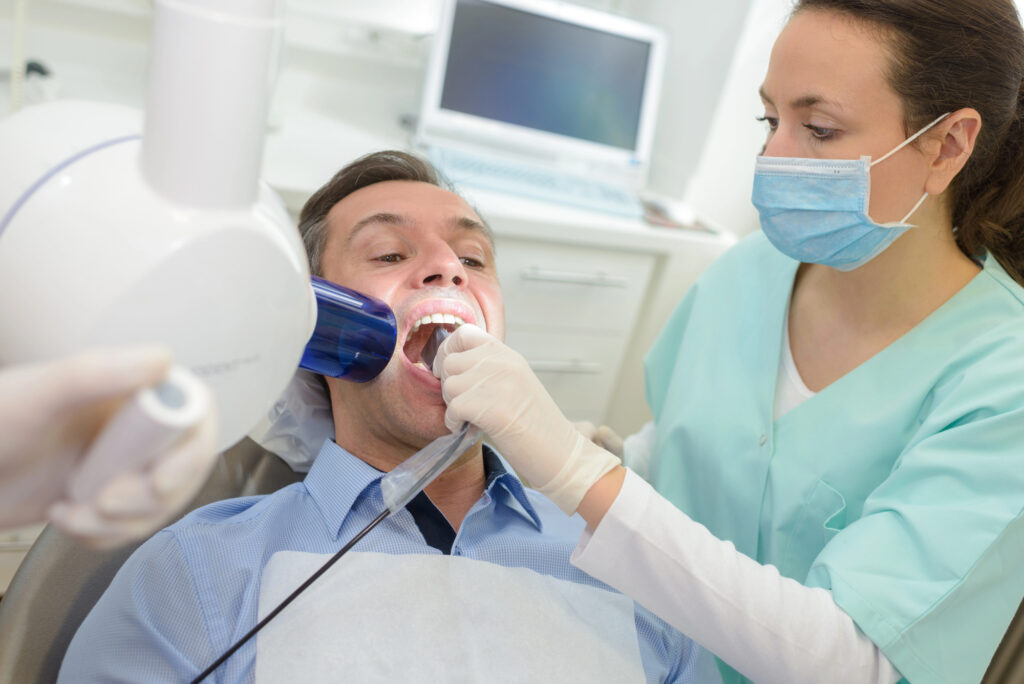
Digital imaging is revolutionizing dentistry. Among the many technological advancements in the field, dental x-ray sensors stand out for their ability to deliver precise, high-quality diagnostics while streamlining workflows. Dental X-ray sensors are a vital tool in modern dentistry, helping practitioners diagnose, plan treatments, and enhance patient care. This guide is designed for dentists, students, and dental technicians who want to deepen their understanding of dental X-ray sensors, including their costs, sizes, benefits, and how they’re revolutionizing the field.
What is a Dental Sensor?
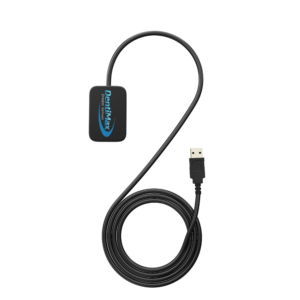
A dental sensor is a digital imaging device used to take X-rays of a patient’s mouth, offering an alternative to traditional film. This sophisticated piece of hardware captures images of a patient’s teeth, gums, and other oral structures. Unlike traditional X-ray film, sensors produce digital images instantly, allowing for quicker diagnoses and better storage capabilities. These sensors are connected to computers, enabling high-quality digital visualization of X-rays.
Key Benefits
– Instant imaging
– Lower radiation exposure than traditional film.
– Enhanced image quality with digital tools
– Easy integration into practice management software
Types of X-Ray Sensors
There are two main types of dental sensors:
CMOS (Complementary Metal-Oxide-Semiconductor): Known for high image quality and fast processing. Consumes less power than CCD, often considered more affordable and energy efficient.
CCD (Charge-Coupled Device): High sensitivity, though typically slower in processing compared to CMOS. Has been around the longest, and consumes the most power.
Ideal for almost every scenario in a modern dental office, for efficiency and accuracy. Sensors like the DentiMax Dream Sensor bring a perfect mix of comfort, durability, and crystal-clear image quality.
How Much Does a Digital Dental Sensor Cost?
The cost of dental X-ray sensors varies significantly depending on the size, quality, and brand. Here’s a rough price breakdown from leading brands based on the additional context provided above:
| Cost Category | Price Range | Characteristics | Sensors |
|---|---|---|---|
| Affordable Sensors | $2,499 – $3,000 | Lightweight, slim sensors offer great image quality and compatibility. | Open Sensor by DentiMax |
| High-End Sensors | $5,000 – $12,000 | Premium-quality sensors with exceptionally high-resolution imaging and robust durability. Dentimax offers the most affordable option on the market for high-end sensors. | Dream Sensor & Pro Sensor by DentiMax |
While some sensors are significantly cheaper, it’s essential to consider additional factors like image quality, durability, warranty, and software integration before deciding.
Factors Influencing Costs
Besides the initial investment, keep these costs in mind:
– Warranty: Most brands offer 2-3 years of manufacturer warranty, but extended warranties may cost extra.
– Replacement: Sensors damaged outside the warranty can cost $2,000–$3,000 to replace.
– Accidental Protection Plans: Some brands, like DentiMax, include accidental damage coverage, saving substantial replacement costs.
How to Take Dental X-Rays with a Sensor
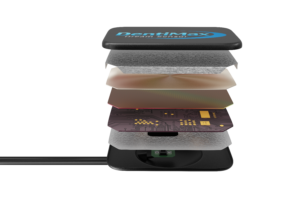
Using a dental X-ray sensor requires a combination of proper technique, communication with the patient, and familiarity with the sensor software. Here’s a step-by-step guide to ensure safe and effective imaging:
Preparation
1. Prepare Your Patient:
– Guide the patient to sit upright in the dental chair. Ensure they are comfortable but remain steady throughout the process.
– Explain the procedure to reduce anxiety, particularly for patients prone to gag reflexes.
– Position a protective lead apron if required by your practice or your state
2. Set Up the Sensor:
– Gently insert the sensor into the patient’s mouth. Use a protective sleeve for hygiene purposes.
– Choose the correct sensor size based on the patient’s age and mouth size (see next section).
– Ensure that the sensor is positioned correctly to capture the targeted area.
– Make sure the patient doesn’t bite the sensor.
Capturing the X-Ray
1. Positioning:
– Align the sensor with the required area of the mouth. Use a positioning ring or holder to maintain stability. Select the appropriate settings for exposure and resolution on your imaging software.
2. Taking the X-Ray:
– Trigger the exposure and verify the captured image on your connected monitor. If needed, reposition and retake the image.
– Position the X-ray tube at the correct angle to reduce distortion. Use a beam alignment device if necessary for precision.
– Set the appropriate exposure settings on your imaging software. Check that the X-ray beam is restricted to the area of interest (rectangular collimation is highly recommended).
– Take the X-ray and instantly preview the image on your monitor.
Post-Procedure
– Analyze the image using imaging software.
– Save and document the image in the patient’s file.
If the image requires enhancements, adjust brightness or zoom for clearer diagnostics. Ensure all captured images are securely saved within your patient management system.
Pro tip: Familiarize your team with proper positioning techniques to avoid unnecessary retakes and reduce discomfort for the patient.
What are Dental Sensor Sizes?
Dental sensors come in various sizes to accommodate different patient needs. Both children and adults have different oral dimensions, and the correct sensor size ensures patient comfort and image accuracy.
Common Sizes
Size 0: Primarily used for pediatric dentistry.
Size 1: Ideal for children and adults with smaller dental arches.
Size 2: The standard size for adults, excellent for bitewing and periapical radiographs.
Selecting the Right Size
When selecting a sensor size:
Consider Patient Demographics: Pediatric offices often require multiple size 0 and size 1 sensors.
Adjust for Patient Comfort: Choose slim and lightweight sensors to reduce irritation.
Brands like DentiMax prioritize patient comfort, producing thin, rounded sensors while maintaining high-resolution image quality.
Comparing the Top Dental X-Ray Sensors
With dozens of dental X-ray sensors on the market, choosing the right one for your practice can feel overwhelming. To make that choice easier, we conducted an independent analysis of 47 digital dental X-ray sensors using seven weighted criteria: price range (20%), active imaging area (20%), software compatibility (15%), warranty coverage (15%), sensor technology (10%), patient comfort (10%), and specialty applications (10%). Below are the five top-performing sensors across different price points and practice needs.
| Rank | Sensor Model | Retail Price | Thickness | Warranty & Protection | Best For |
|---|---|---|---|---|---|
| 1 | DentiMax Pro Sensor | $7,999 | Size 1: 7.84mm Size 1.5 & 2: 8.34 mm |
3 years + accidental protection included | Replacing DEXIS sensors without sacrificing quality |
| 2 | DentiMax Dream Sensor | $5,999 – $6,999 (*) | 5.3 mm | 3 years + accidental protection included | Premium quality at mid-tier pricing |
| 3 | DentiMax Open Sensor | $2,499 – $2,999 (*) | 4.5 mm | 3 years + accidental protection included | Budget-friendly option without sacrificing quality |
| 4 | Carestream RVG 6200 | $6,500 | ~6.5 mm | 3 years standard | Practices seeking reliable imaging with Carestream ecosystem |
| 5 | Schick 33 Sensor | $7,995 | 7.0 mm | 2 years (3rd year requires PTC Club at $153/month) | Endodontists requiring maximum resolution (33 lp/mm) |
(*) Depending on sensor size
1. DentiMax Pro Sensor – Best for practices seeking premium diagnostics without vendor lock-in. Size 1.5 features an 852 mm² active imaging area (74% of sensor surface), advanced CMOS technology, and seamless integration with Dexis, Eaglesoft, Apteryx, and most TWAIN-compatible platforms. Clinicians Report stated "DentiMax Pro sensors should be strongly considered for new or replacement sensor purchases"(1). Priced at $7,999 with 3-year warranty.
2. DentiMax Dream Sensor – With a review of 4.8 out of 5 from Dental Product Shopper (2), this sensor delivers premium image quality at mid-tier pricing. Features a remarkably thin 5.3mm profile with a 900 mm² active imaging area (68% of sensor surface). Compatible with all major dental imaging platforms. Priced at $5,999 with 3-year warranty and accidental protection plan included.
3. DentiMax Open Sensor – Exceptional value at $2,999, delivering image resolution comparable to sensors costing twice as much. Features an 879 mm² active imaging area (63% of sensor surface) and ultra-thin 4.5mm profile. Offers flexible purchase options including a subscription model at $99/month. Includes 3-year warranty and accidental protection plan.
4. Carestream RVG 6200 – A solid mid-range option offering reliable image quality and seamless integration with Carestream imaging software. Known for its ergonomic design and consistent performance, it’s a practical choice for general practices already using the Carestream ecosystem. Typically priced between $5,000–$6,000 with a standard 3-year warranty.
5. Schick 33 Sensor – Intraoral sensor with high-resolution imaging (≈33 lp/mm) and multiple size options. Features a replaceable cable system and sealed, durable design. Active imaging area varies by size (~480–920 mm²), with typical pricing around $5K–$6.5K and ~3-year manufacturer warranty.
Key Considerations When Choosing a Dental Sensor
Investing in a high-performing dental sensor is essential for delivering accurate diagnoses and ensuring efficiency. Here are some features to prioritize:
Image Quality: High-resolution imaging is essential for accurate diagnoses. Sensors with advanced CMOS technology are typically the best in class.
Durability: Choose a rugged sensor that can withstand daily use, with cables that are less prone to damage.
Compatibility: Ensure the sensor integrates seamlessly with your imaging software. DentiMax sensors, for example, support most popular platforms, including Dexis Imaging Suite™, Patterson® Eaglesoft®, and Apteryx®.
Cost: Balance affordability with performance. While some sensors offer lower upfront costs, extended warranties or support plans may add to your expenses in the long run.
Additional Features to Look For
Active Imaging Area: Sensors with larger active areas capture more detailed images. DentiMax’s Dream Sensor, for instance, boasts a 900 mm² imaging area.
Weight and Thickness: Lightweight and slim sensors improve patient comfort during procedures. Compare brands based on these specifications to find the best fit.
Support and Training: Opt for a sensor manufacturer offering training sessions and prompt customer support for troubleshooting image or software issues.
Best Dental X-Ray Sensors for Budget-Conscious Practices
| Rank | Sensor Model | Key Advantage |
|---|---|---|
| 1 | DentiMax Open Sensor | Exceptional value starting at $2,499 with included protection plan |
| 2 | DentiMax Dream Sensor | Premium quality at mid-tier pricing ($5,999–$6,999) |
| 3 | Carestream RVG 6200 | Strong mid-range option with reliable imaging performance |
| 4 | DentiMax Pro Sensor | Premium sensor at affordable price ($7,999) with included protection |
| 5 | Schick 33 Sensor | High-end resolution ($7,995) but requires additional service costs ($153/month for extended warranty) |
Best Dental X-Ray Sensors for Software Flexibility
| Rank | Sensor Model | Key Advantage |
|---|---|---|
| 1 | DentiMax Pro Sensor | Universal compatibility with Dexis™, Patterson® Eaglesoft®, Carestream®, Gendex™ Vixwin™, and most major platforms (no vendor lock-in) |
| 2 | DentiMax Dream Sensor | Open-system TWAIN compatibility works with all major dental imaging systems |
| 3 | DentiMax Open Sensor | True software flexibility—supports TWAIN and native integration with leading software |
| 4 | Carestream RVG 6200 | Best performance within Carestream software ecosystem; TWAIN support available |
| 5 | Schick 33 Sensor | Optimized for Sidexis integration; TWAIN compatible but limited flexibility with non-Dentsply platforms |
Dental Sensors are Revolutionizing Oral Care
Dental X-ray sensors continue to evolve with advancements in technology. Predictive AI diagnosis, cloud-based imaging, and enhanced resolution will soon become industry standards. Switching to digital dental sensors now aligns your practice with these exciting future developments. By choosing the right sensor, you ensure comfort for your patients, efficiency for your practice, and high-quality images needed for accurate care.
Take the first step toward upgrading your practice. Try the DentiMax Dream Sensor free for 14 days and experience the difference firsthand.
FAQs
1. Can I use the same sensor for different imaging software?
Most modern sensors, like those from DentiMax, are compatible with major imaging programs, making them versatile for integrated dental systems.
2. How do I maintain my dental X-ray sensor?
Handle sensors carefully to avoid accidental damage. Clean and disinfect them after each use, following manufacturer guidelines.
3. Are digital sensors safer for patients?
Yes! Digital sensors significantly reduce radiation exposure compared to traditional film X-rays.
Final Thoughts
Dental X-ray sensors are a vital tool for modern dentistry, enhancing patient care and diagnostic accuracy. With options available for every budget and feature requirement, choosing the right sensor can redefine your practice’s efficiency and patient satisfaction.
Need help choosing the right sensor for your office? Connect with dental experts at DentiMax and explore our free trial program to experience the latest in X-ray imaging today!
(1) An independent, non-profit, dental education and product testing organization. See full report: https://dentimax.com/wp-content/uploads/2026/01/DentiMax_X-raySensors_DU.pdf
(2) Dental Product Shopper Review: https://www.dentalproductshopper.com/evaluation/boxless-sensor